Chihuahua Dog Breed: Info, Pictures, Care & More


The Chihuahua dog breed packs a legendary amount of attitude, charm, and fierce devotion into a frame weighing under six pounds. As the smallest dog breed recognized in the world, the Chihuahua is an absolute icon of canine companionship. Whether tucked snugly inside an airline travel carrier, burrowing deep beneath fleece blankets, or standing vigilantly on the back of the sofa, these miniature canines form an intensely loving, almost telepathic bond with their chosen people.
While they make exceptional apartment companions and portable sidekicks for city living, Chihuahuas are not simply fragile lap accessories. Behind those large, luminous eyes lies a spirited, intelligent dog with ancient roots and high-alert watchdog instincts. This comprehensive guide synthesizes verified breed data from the American Kennel Club (AKC), veterinary health protocols from PetMD, dietary science from Dog Food Advisor, behavioral wisdom from The Spruce Pets, and Dogster editorial standards.
Breed Overview
Chihuahua Characteristics
Chihuahua Puppies

Chihuahua puppies are some of the tiniest creatures in the domestic canine world. At eight weeks of age, a newborn Chihuahua puppy may weigh a mere 12 to 24 ounces—easily fitting within the palm of an adult human hand. Because of their microscopic bone structure, raising a Chihuahua puppy demands heightened mindfulness.
Puppyhood is also the most critical socialization window. Between 8 and 16 weeks, puppies must be gently exposed to varied sounds, novel textures, friendly adult visitors, and safe, vaccinated animals. Without intentional, calm exposures, a Chihuahua’s natural protective instinct can solidify into fearfulness, skittishness, or defensive barking around strangers.
Temperament & Intelligence of the Chihuahua
Chihuahuas are famously described as a walking contradiction: they possess the cuddly warmth of a purring kitten paired with the swagger of a 90-pound sentry. They bond deeply with their favorite person, shadowing their footsteps from room to room with fierce loyalty.
👪 Are These Dogs Good for Families?
Chihuahuas flourish in households with adults, seniors, and calm, considerate older children (typically ages 8 and up) who understand how to handle a delicate dog respectfully. They are generally not recommended for homes with toddlers or boisterous young children. An uncoordinated child who drops a toy puppy or trips over them can easily cause fractured limbs, and a terrified toy dog may instinctively nip in self-defense.
🐶 Does This Breed Get Along With Other Pets?
When introduced thoughtfully during early puppyhood, Chihuahuas coexist harmoniously with indoor cats, often sharing cozy sleeping spots. Around other canines, they feel most confident with fellow toy dogs. When living alongside medium or giant breeds, vigilant supervision is mandatory to prevent accidental crush or paw-strike injuries.
Things to Know When Owning a Chihuahua
🥣 Food & Diet Requirements (Dog Food Advisor Standards)
Because a 5-pound Chihuahua has a stomach roughly the size of a walnut, every bite counts. High-metabolism toy breeds require approximately 40 to 50 calories per pound of body weight (roughly 200–250 kcal daily for an active adult), split into two measured meals.
🦺 Exercise & The Mandatory Harness Rule
Two brisk 15-to-20-minute daily sniff walks satisfy outdoor exercise requirements, while gentle indoor games of fetch fulfill residual energy needs. Crucial safety rule: Always walk a Chihuahua on a padded, step-in chest harness rather than a neck collar to protect their delicate windpipe from collapsing trachea damage.
🧠 Training & Barking Solutions
Chihuahuas are eager to learn through positive reinforcement and micro-treat budgeting (single kibbles or freeze-dried meat crumbles). To manage alert watchdog barking, avoid shouting; instead, acknowledge their alert calmly with a “Thank you” cue and scatter 3 tiny floor treats to redirect their focus through sniffing.

❄️ Grooming & Cold Sensitivity
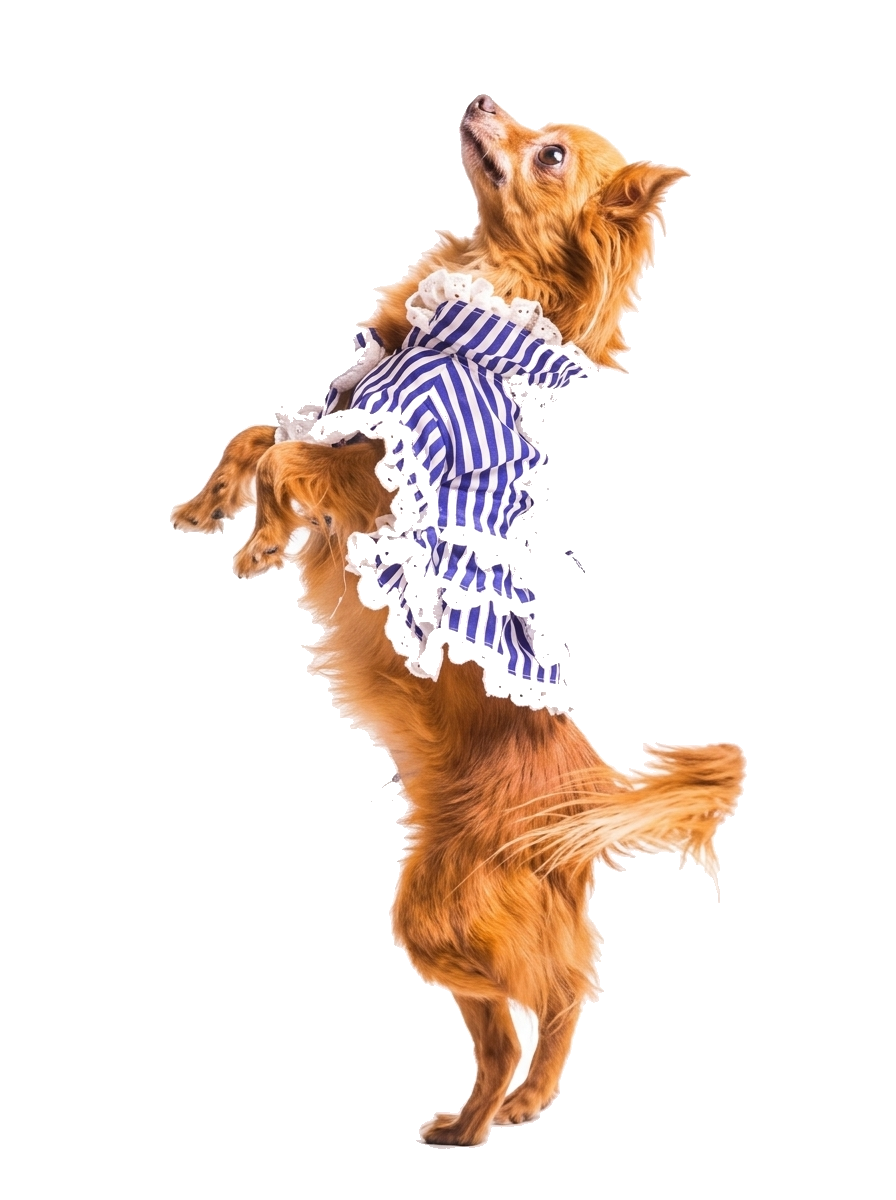
Smooth coats require weekly brushing with a rubber curry mitt, while long coats benefit from a slicker brush and pin comb 2–3 times weekly. Because of their tiny body mass and lack of a dense double coat, Chihuahuas lose body heat four times faster than large dogs—always provide a fleece sweater or jacket when temperatures drop below 55°F (13°C).
🦷 Dental Care Protocol
Over 85% of Chihuahuas experience periodontal disease by age three due to 42 adult teeth crowding into a tiny jaw. Daily brushing with enzymatic canine poultry toothpaste and scheduling annual professional scalings under anesthesia with your veterinarian are essential to protect heart and kidney health.
- Extremely Long Lifespan: Often lives 14 to 18+ years with proper dental and weight care.
- Portable & Travel-Friendly: Small size easily fits under airline seats and in tote carriers.
- Affordable Food Costs: Daily portion is just 1/4 to 1/2 cup of premium small-breed kibble.
- Low-Maintenance Coat: Straightforward brushing and low natural doggy odor.
- Fiercely Devoted Companion: Deep velcro bond and intense loyalty to their chosen person.
- Ideal for Apartments: Thrives in compact living spaces without requiring an expansive yard.
- Vocal Watchdog Instinct: Alerts frequently to unexpected hallway noises and footsteps.
- Fragile Skeletal Build: Vulnerable to injuries from rough play, drops, or jumping off high beds.
- High Dental Vulnerability: Prone to severe tartar, crowding, and periodontal disease.
- Cold Weather Sensitivity: Loses heat rapidly; requires winter coats and heated donut beds.
- Longer Potty Training: Miniature bladders require consistent, frequent outdoor breaks.
- Not Ideal for Toddlers: Can get injured accidentally by rough, unsupervised small children.
Watch: All About the Chihuahua
Discover the rich history, personality traits, and daily care essentials of the world’s smallest dog breed.
3 Little-Known Facts About the Chihuahua
- Sacred Underworld Spirit Guides: Ancient Toltecs and Aztecs believed the Techichi (ancestor of the Chihuahua) guided departed human souls across the nine underworld rivers of Mictlán.
- Natural Cranial Soft Spot: Like human babies, apple head Chihuahuas are born with an open fontanelle called a molera, which may remain slightly open into adult life.
- Guinness World Record Holder: The smallest living dog in recorded history was a female Chihuahua named Miracle Milly, standing just 3.8 inches (9.65 cm) tall!
Frequently Asked Questions
Are Chihuahuas good for first-time dog owners?
Yes, provided the owner is committed to gentle positive training and dedicated dental hygiene. Because of their tiny size, dietary and exercise needs are manageable, making them popular starter dogs for apartment living.
Why do Chihuahuas shiver or tremble so often?
Chihuahuas have high metabolisms and minimal body fat, losing heat rapidly below 60°F. Shivering helps generate warmth. Trembling can also stem from intense excitement, anticipation, or nervousness.
How long can a Chihuahua stay home alone?
Adult Chihuahuas should not be left alone for more than 4 to 6 hours due to miniature bladders and susceptibility to separation anxiety. Puppies should not exceed 2 to 3 hours.
Final Thoughts
The Chihuahua is a small dog with an unforgettable soul. While their tiny frame demands mindful handling, gentle guidance, and daily dental attention, the reward is nearly two decades of passionate loyalty, humorous antics, and heartwarming companionship. For apartment dwellers, adult households, and anyone seeking a devoted lap warmer, the Chihuahua remains one of the world’s most endearing companion breeds.
Get Your Free Small Dog Care Starter Kit
Download our comprehensive veterinarian-reviewed guide covering nutrition, harness fitting, and positive housebreaking.
Download Free Guide →
Dr. Jennifer Coates, DVM
Veterinary Advisory Board MemberDr. Coates is an accomplished veterinarian and canine health consultant. She has authored numerous pet health books and advises leading animal wellness publications across North America.

Real Fresh Food for Small Dogs
Human-grade ingredients portioned precisely for your dog’s unique calorie target and dental health.
Get 50% Off First Box